
Introduction
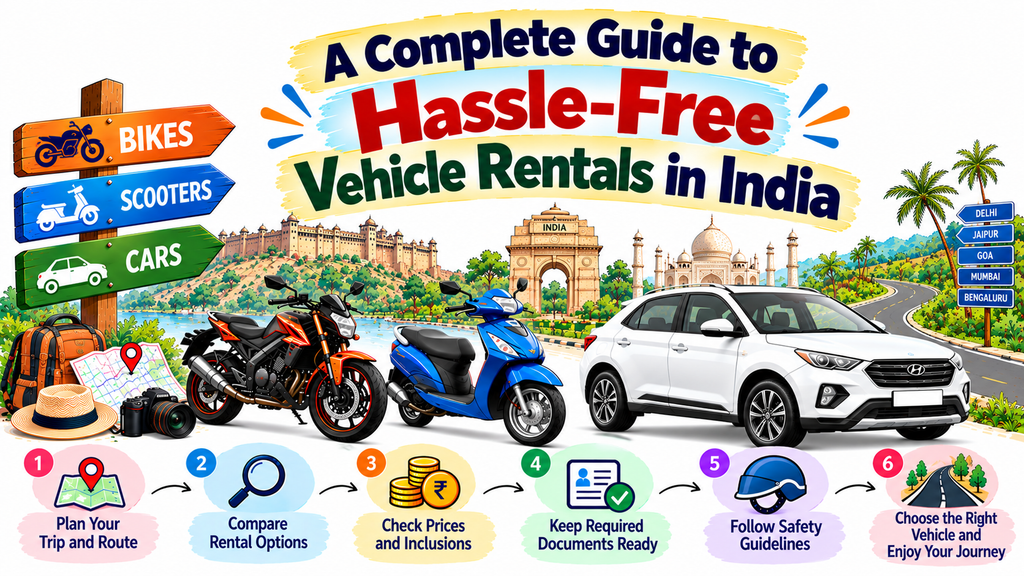
Want to explore India without depending on buses or taxis? Renting a vehicle can give you more freedom during your trip. You can visit local attractions, travel between cities, or enjoy a weekend away at your own pace.
You can choose a bike, scooter, or self-drive car based on your travel needs. However, the right choice involves more than finding a low price. You should check the rental rules, vehicle condition, safety features, and possible extra charges.
This guide will help you plan your rental with confidence. You will learn how to select a vehicle, compare costs, prepare documents, and avoid common mistakes. You can also visit MotoShare.asia to explore vehicle rental options for your journey.
1. Make a Clear Travel Plan
Start with a simple plan before searching for rental vehicles. Decide where you want to go, how long you will travel, and who will join you.
Your plan should include the following details:
- Travel dates and duration
- Pickup and return locations
- Number of passengers
- Luggage size and weight
- Expected travel distance
- Road and weather conditions
- Total transport budget
For example, a short city visit may need a scooter. A family trip with several bags may require a car. A bike may suit an experienced rider planning a suitable road trip.
A clear plan helps you avoid paying for a vehicle that does not meet your needs.
2. Select a Vehicle That Matches Your Journey
Different vehicles suit different travel styles. Think about comfort, road conditions, and your driving experience before choosing one.
Bike rental
A bike may suit solo travelers and couples who enjoy riding. It can offer flexibility on suitable roads and may help with parking in crowded areas.
However, consider your riding skills and the expected weather. Check the bike’s condition before accepting it. Always wear a suitable helmet and follow local traffic rules.
Scooter rental
A scooter can work well for short trips and local sightseeing. It may suit travelers who want to visit nearby markets, cafes, and attractions.
Check the storage space and seat comfort before booking. A scooter may not suit every long journey or rough road.
Self-drive car rental
A self-drive car can offer more space for passengers and luggage. It may suit families, groups, and travelers who want protection from rain and heat.
Choose a car with enough seats and storage. Also consider fuel costs, parking needs, and the road conditions along your route.
3. Compare Your Vehicle Choices
Use this table to review the main features of each option.
| Feature | Bike | Scooter | Self-drive car |
|---|---|---|---|
| Suitable travel | Road trips | Local journeys | Family and group trips |
| Passenger space | Limited | Limited | More seating options |
| Luggage capacity | Usually small | Usually small | Often larger |
| Parking | Often easier | Often easier | May need more space |
| Weather protection | Low | Low | Better |
| Main consideration | Riding experience | Storage and route | Fuel and parking |
The best vehicle depends on your route and travel needs. Always check the exact model and rental terms before making your choice.
4. Build a Realistic Rental Budget
The daily rental rate does not always show the full cost. Extra fees may increase your final bill.
Include these items in your budget:
- Daily or weekly rental charges
- Fuel costs
- Security deposit
- Tolls and parking
- Insurance or damage protection
- Distance limit charges
- Delivery fees
- Late return fees
- Other charges listed in the agreement
Ask the provider for a complete price breakdown. Check whether the booking includes a distance allowance and what happens when you exceed it.
Also understand the deposit policy. Ask when the provider will return your deposit and which conditions may lead to deductions.
Compare the total expected cost for the whole trip. Do not judge a rental only by its starting price.
5. Check the Provider Before You Book
A reliable rental provider should explain the booking terms clearly. Take time to review the information before paying.
Check these details:
- Vehicle details and condition
- Rental period and total price
- Pickup and return arrangements
- Cancellation and refund policy
- Deposit rules
- Fuel and distance limits
- Insurance coverage
- Breakdown support
- Travel restrictions
Read customer reviews and look for repeated complaints. Pay attention to reports about hidden charges, vehicle problems, or delayed deposits.
Keep your booking confirmation and payment receipt. Save the provider’s contact details in case you need help during the rental.
6. Prepare the Required Documents
Prepare your documents before the pickup date. This can help you avoid delays at the rental location.
Providers may ask for:
- A valid driving licence
- An accepted identity document
- Booking confirmation
- Payment details
- Other documents required by the provider
Your licence must cover the vehicle you plan to drive. A car licence does not automatically allow you to ride a motorcycle.
International travelers should check India’s current driving rules. Some visitors may need an International Driving Permit along with their home licence.
Confirm the requirements with the provider before your trip. Never drive without the required licence or documents.
7. Inspect the Vehicle Before Departure
Never rush through the pickup process. A careful inspection can help you identify problems before you start driving.
Examine the exterior
Look for dents, scratches, broken lights, and damaged mirrors. Check the tyres for visible wear or damage.
Test the controls
Check the brakes, horn, lights, and indicators. In a car, test the seat belts and look for warning lights on the dashboard.
Record the fuel level
Note the starting fuel level. Confirm the provider’s fuel return policy before leaving.
Take clear photos
Photograph the vehicle from different angles. Record existing damage and share the photos with the provider.
Confirm the safety equipment
Check the available accessories and emergency support details. For two-wheelers, confirm the helmet arrangements.
Report any issue before accepting the vehicle. If it appears unsafe, ask the provider to repair it or offer another option.
8. Understand Insurance and Damage Charges
Rental insurance can help cover certain costs, but coverage varies by policy. Read the terms before accepting any protection plan.
Ask whether the policy covers vehicle damage, theft, and third-party claims. Check the exclusions and the amount you may need to pay after a claim.
An excess is the amount you may need to pay toward a covered claim. Some policies also exclude certain types of damage.
Find out how to report an accident or breakdown. Save the provider’s emergency number and follow the written instructions.
Never assume that insurance covers every cost. Understand the policy before you begin your journey.
9. Plan a Safe and Comfortable Route
Good route planning can reduce delays and help you manage travel costs. Check the distance, traffic, weather, and road conditions before departure.
Plan fuel stops for longer trips. Allow extra time for busy roads, roadwork, and unexpected delays. Avoid planning too many long driving hours in one day.
Follow these practical tips:
- Save your route on your phone.
- Share your travel plan with someone you trust.
- Keep your phone charged.
- Carry drinking water.
- Check fuel stations along the way.
- Take regular breaks.
- Follow speed limits and road signs.
If you plan to visit hills or remote areas, check local conditions before leaving. Avoid unsafe roads during heavy rain or poor visibility.
10. Keep Safety at the Centre of Your Trip
Safe driving protects you and other road users. Follow traffic laws and use the correct safety equipment.
Wear a helmet when riding a bike or scooter. Make sure your passenger also wears one where required. In a car, wear a seat belt and ask all passengers to do the same.
Never use your phone while driving. Do not drive after drinking alcohol or taking substances that affect your alertness. Keep a safe distance from other vehicles.
Stop somewhere safe when you feel tired. Do not rush to reach your destination. A short break can help you stay alert.
11. Know How to Handle Rental Problems
A breakdown or accident can disrupt your plans. Knowing what to do can help you respond calmly.
If the vehicle breaks down, move away from traffic when possible. Contact the rental provider and follow their support instructions.
If an accident occurs, check for injuries and seek emergency help when needed. Follow local reporting rules and inform the provider as soon as it is safe.
Keep useful records, such as photos and messages with the provider. Do not arrange major repairs without checking the rental agreement, unless urgent action is needed for safety.
12. Return the Vehicle Properly
The rental process ends when you return the vehicle according to the agreement. Check the return time and location before your rental period ends.
Before handing over the vehicle:
- Remove personal belongings.
- Check the fuel level.
- Return all supplied accessories.
- Take photos of the vehicle’s condition.
- Report any damage honestly.
- Ask for a return confirmation.
- Keep your payment records.
If you expect a delay, contact the provider early. Ask about extension options and possible charges.
Keep the return confirmation until the provider settles the deposit and all remaining payments.
Frequently Asked Questions
1. How do I choose the right rental vehicle?
Consider your route, passenger count, luggage, driving skills, and budget. Compare suitable options before making a booking.
2. Is a bike good for traveling between cities?
A bike may suit some intercity trips, depending on the route and your riding experience. Check the vehicle condition, distance limits, and road conditions first.
3. When should I choose a scooter?
A scooter can suit local sightseeing and short city journeys. Check its comfort, storage space, and suitability for your planned route.
4. Can I rent a self-drive car for a family trip?
Many providers offer self-drive car rentals. Choose a model with enough seating and luggage space for your group.
5. What costs should I check before paying?
Check the rental fee, fuel, deposit, insurance, distance limits, and possible extra charges. Ask for a full cost breakdown.
6. Do I need a driving licence to rent a vehicle?
Yes, rental providers generally require a valid licence for the selected vehicle. Confirm the exact requirements before booking.
7. What should I do if the vehicle has scratches?
Take photos and report the scratches before leaving the pickup point. Ask the provider to record the damage.
8. Can I take a rental vehicle outside the pickup city?
That depends on the provider’s terms. Confirm travel permissions and any extra fees before starting your trip.
9. Does rental insurance cover every type of damage?
No. Coverage depends on the policy, exclusions, and rental agreement. Check excess charges and reporting rules.
10. How can I avoid extra rental fees?
Read the agreement, follow distance limits, and return the vehicle on time. Check fuel rules and other charges before booking.
11. What should I do if the vehicle breaks down?
Move to a safe place if possible and contact the provider. Follow their instructions and contact emergency services if necessary.
12. Where can I explore vehicle rental options?
Visit MotoShare.asia to explore rental options. Review the vehicle details and booking terms before confirming your choice.
Final Thoughts
A good rental experience begins with careful planning. Choose a vehicle that matches your journey, budget, and comfort needs. Compare the full cost and read the rental agreement before paying.
Prepare your documents and inspect the vehicle before departure. Plan your route, follow traffic rules, and keep the provider’s contact details nearby. Return the vehicle on time and save your records.
These simple steps can help you avoid common problems. With the right preparation, you can enjoy more freedom and confidence during your travels across India.

