Introduction
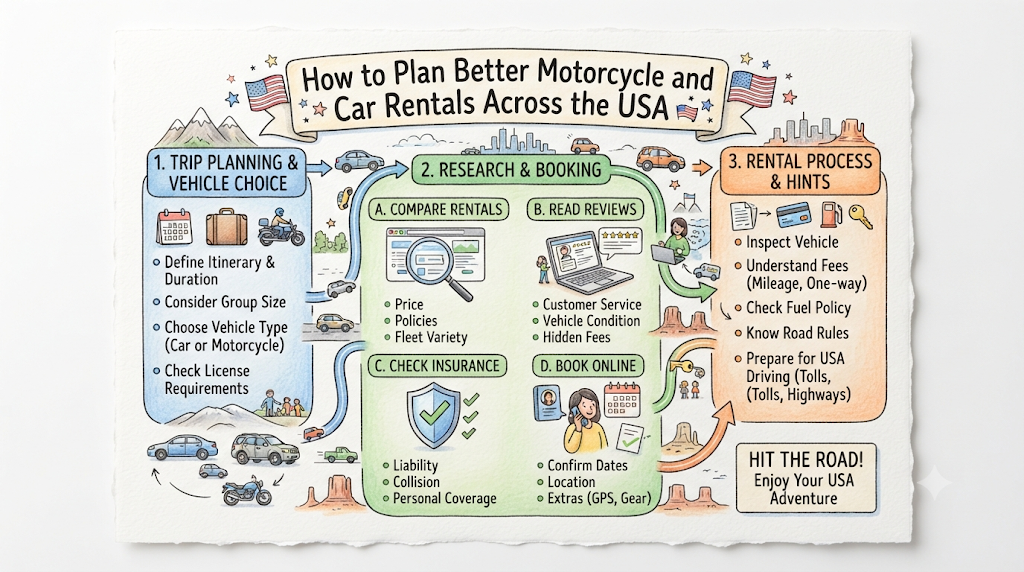
A good trip starts with the right vehicle. Some travelers want a motorcycle for an open-road adventure. Others need a car for family travel, business meetings, or daily errands. Many people also prefer scooters for short city rides. However, finding a suitable rental takes more than checking the lowest price. You should compare vehicle types, rental terms, locations, and safety requirements. A little planning can help you avoid delays and unexpected costs. Vehicle rental platforms also make it easier to explore available options in one place. This guide explains how to plan smarter rentals, compare choices, and understand the needs of both renters and vehicle owners across the USA.
Why Vehicle Choice Matters Before Booking
Every journey has different needs. A motorcycle may suit a scenic road trip, but it may not work for a family holiday. A compact car can help with city travel, while an SUV may offer more room for luggage.
Start by thinking about your main travel purpose. Then choose a vehicle that supports your plans.
Consider these common travel needs:
- Daily travel: Choose a practical car or scooter for regular trips.
- Weekend rides: Consider a motorcycle for a short road adventure.
- Family holidays: Look for a car with enough seats and luggage space.
- Business travel: Select a comfortable vehicle that fits your schedule.
- City exploration: Compare compact cars and scooters for easier movement.
- Long-distance journeys: Check comfort, fuel use, storage, and road suitability.
The right vehicle should match your route, travel group, and rental period. Avoid choosing a vehicle only because it looks attractive or costs less.
Understand the Different Types of Vehicle Rentals
The US rental market offers several vehicle options. Each type serves a different purpose. Knowing the main differences can help you make a better choice.
Motorcycle Rentals
Motorcycles appeal to riders who enjoy open roads and flexible travel. They can also suit short scenic trips and planned riding holidays.
Before booking a motorcycle, check:
- Motorcycle model and engine size.
- Required motorcycle license or endorsement.
- Helmet and protective gear arrangements.
- Mileage limits and fuel rules.
- Pickup and return locations.
- Rental duration and extension terms.
- Insurance and protection conditions.
Your riding experience also matters. A powerful motorcycle may not suit a beginner. Choose a model that matches your skill and comfort level.
Car Rentals
Cars remain a practical option for many travelers. They offer space, weather protection, and flexibility for different journeys.
You can compare several categories:
- Economy cars for simple daily travel.
- Compact cars for city driving.
- Sedans for comfortable personal trips.
- SUVs for extra passenger and luggage space.
- Vans for larger groups.
- Premium cars for special occasions.
Check passenger capacity and luggage space before booking. Also review fuel policies, mileage limits, and additional driver rules.
Scooter Rentals
Scooters can help with short trips and local exploration. Their smaller size may make them useful in busy areas.
Before choosing a scooter, review its engine size, road-use rules, and license requirements. Check helmet availability and safety equipment too. Never assume that every scooter has the same legal requirements.
Compare Rental Options Before Making a Decision
A low daily price does not always mean a better deal. The full rental cost may include several additional charges.
Compare the complete terms before confirming your booking. Read the rental details and ask questions when anything seems unclear.
| Comparison factor | What to check | Why it matters |
|---|---|---|
| Daily price | Base rental amount | Helps compare starting costs |
| Rental period | Hourly, daily, or weekly terms | Matches your travel schedule |
| Mileage | Included distance and extra charges | Helps control travel costs |
| Insurance | Coverage and exclusions | Clarifies financial responsibility |
| Deposit | Amount and refund conditions | Helps plan your budget |
| Fuel | Pickup and return rules | Prevents fuel-related disputes |
| Pickup | Address and collection time | Supports smooth travel planning |
| Cancellation | Refund and change rules | Helps manage unexpected changes |
Do not compare vehicles using the daily rate alone. Add all known charges before deciding. This simple step can prevent many booking surprises.
How to Find Motorcycle Rentals Near Me
Searching for motorcycle rentals near me can help you discover options around your destination. However, a nearby result does not always meet your needs.
Start with your travel dates and preferred pickup area. Then compare the motorcycles that match your experience and route.
Use these steps:
- Enter the city or area where you need the motorcycle.
- Select your preferred rental dates.
- Compare available motorcycle types.
- Review the listed daily price and rental conditions.
- Check license and age requirements.
- Confirm the pickup and return arrangements.
- Read the insurance and cancellation terms.
- Contact the provider when you need clarification.
Also consider the distance between the pickup point and your accommodation. A cheaper motorcycle may create extra travel costs if the pickup location sits far away.
Check the motorcycle before starting your trip. Look at the tyres, brakes, lights, mirrors, and visible body condition. Take clear photos of existing damage. Ask the owner or provider to record any concerns.
What to Know About Peer-to-Peer Motorcycle Rentals
A peer-to-peer motorcycle rental connects riders with motorcycle owners through an online marketplace. This model can give riders another way to explore motorcycle options.
It can also help owners present their motorcycles to potential renters, subject to platform rules and local requirements.
The process may look like this:
- A motorcycle owner prepares the vehicle details.
- The owner provides photos and rental information.
- A rider searches for a suitable motorcycle.
- Both sides review the rental terms.
- They confirm the required documents and arrangements.
- The rider collects the motorcycle under the agreed process.
- Both sides check the vehicle again after the rental.
The exact process depends on the marketplace and rental provider. Never assume that every platform offers the same protection, payment method, or booking process.
Owners should also confirm whether their vehicle qualifies for rental use. Personal vehicle insurance may not cover commercial rental activity. Check the policy and applicable state rules before listing a motorcycle.
How to Choose Car Rentals Near Me
A search for car rentals near me can show options around your current area or planned destination. But convenience should not be your only deciding factor.
First, decide how many people will travel. Then estimate the luggage space you need. A small car may work well for one or two people. A larger vehicle may suit families or groups.
Use this checklist when comparing cars:
- Check the number of seats.
- Review luggage capacity.
- Compare fuel requirements.
- Confirm the transmission type.
- Check air conditioning and basic features.
- Review mileage limits.
- Understand deposit requirements.
- Confirm pickup and return times.
- Read cancellation conditions.
- Check the rules for additional drivers.
Think about your route too. A compact car may suit city roads, while a larger vehicle may provide more comfort for long journeys.
Do not ignore the vehicle condition. Check the tyres, lights, brakes, mirrors, and dashboard warnings. Record scratches, dents, and other visible damage before accepting the keys.
Understanding Peer-to-Peer Car Rentals
A peer-to-peer car rental marketplace connects vehicle owners with people who need temporary transportation. It creates another option beyond traditional rental counters.
This model may offer different vehicle types and pickup arrangements. However, each listing can have its own rules.
Renters should review:
- Vehicle details and photographs.
- Rental dates and daily rates.
- Mileage and fuel conditions.
- Driver eligibility.
- Insurance arrangements.
- Deposit and payment terms.
- Pickup and return instructions.
- Cancellation and extension policies.
Owners should provide accurate vehicle information. They should also explain any limits on distance, location, or vehicle use.
Both sides should agree on the main conditions before the rental begins. Clear communication can reduce confusion during pickup and return.
When Scooter Rentals Make Sense
Scooter rentals near me can be a useful search for travelers who need a small vehicle for local journeys.
A scooter may suit short trips, nearby attractions, and some daily travel needs. However, road conditions and local rules should guide your decision.
Before renting, check:
- The scooter’s engine capacity.
- Your license eligibility.
- Helmet and safety equipment.
- Passenger rules.
- Fuel or charging arrangements.
- Permitted travel areas.
- Parking conditions.
- Rental duration and return time.
Electric scooters and motor scooters may follow different rules. Do not treat them as the same vehicle category. Confirm the exact vehicle type and local road-use requirements.
Choose a scooter only when it fits your route and experience. Avoid riding in unfamiliar areas without checking traffic conditions first.
Exploring Car Rental Opportunities on Hilton Head Island
Hilton Head Island attracts visitors who want to explore beaches, restaurants, shops, and local attractions. A rental car can help travelers move between different parts of the island.
People searching for car rental Hilton Head Island should compare pickup locations and travel needs before booking.
Think about your plans:
- Are you staying near the beach?
- Will you visit several attractions?
- Do you need room for children or luggage?
- Will you travel outside the island?
- Does your accommodation offer parking?
- Do you need the car for one day or several days?
A compact car may work for a couple. Families may prefer a larger vehicle with more storage space.
Check the rental terms before confirming. Pay attention to local pickup arrangements, fuel rules, mileage limits, and return times. Also check whether the provider offers the vehicle type you need for your dates.
Motorcycle Rental Planning on Hilton Head Island
Travelers may also explore motorcycle rental Hilton Head Island options when planning a riding trip.
Before choosing a motorcycle, consider your route and riding experience. Check the local road rules and confirm that your license meets the requirements.
A motorcycle rental plan should include:
- A suitable motorcycle model.
- A valid motorcycle license or endorsement.
- A clear pickup and return schedule.
- Helmet and protective gear arrangements.
- Insurance details.
- Fuel and mileage conditions.
- A basic route plan.
- Emergency contact information.
Do not assume that every motorcycle suits every road or rider. Ask about the motorcycle’s size, handling, and condition.
Also review parking arrangements at your hotel or accommodation. A little preparation can make the trip easier and safer.
How to Rent Out My Motorcycle Responsibly
Owners who search for rent out my motorcycle often want to make better use of a vehicle that spends time unused.
However, renting a motorcycle requires careful preparation. Owners must understand local laws, insurance rules, and platform requirements before offering a vehicle.
Start with these steps:
- Review your state and local rental requirements.
- Confirm that your motorcycle qualifies for rental use.
- Check whether your insurance covers rental activity.
- Keep registration and required documents current.
- Service the motorcycle before listing it.
- Take clear photos from different angles.
- Write an accurate vehicle description.
- Set clear rental rules and mileage terms.
- Explain pickup and return arrangements.
- Keep records of inspections and communication.
Never hide mechanical problems or existing damage. Honest listings help renters understand what they are considering.
Owners should also check the rider’s license and eligibility. Do not hand over a motorcycle until you complete the required checks.
Rental income is never guaranteed. Demand, costs, downtime, maintenance, and local rules can all affect the results.
How to List My Car for Rent
People searching for list my car for rent should first confirm whether their vehicle qualifies for rental use.
A private auto policy may exclude paid rental activity. Some states also apply specific rules to commercial vehicle rentals. Review these requirements before publishing a listing.
Prepare your car with the following checklist:
- Confirm rental eligibility.
- Review insurance coverage.
- Check registration and required documents.
- Complete needed maintenance.
- Clean the interior and exterior.
- Photograph the vehicle clearly.
- Record mileage and visible condition.
- Set clear pickup and return instructions.
- Explain fuel and mileage rules.
- Keep a record of each rental.
Write a description that gives renters useful facts. Mention the vehicle model, transmission, seating capacity, luggage space, and important features.
Avoid claims that you cannot prove. Do not promise perfect condition or guaranteed availability unless you can support those statements.
A clear listing helps people decide whether your car suits their needs.
What Owners Should Know About Vehicle Rental Management
Vehicle rental work involves more than handing over keys. Owners and rental businesses must manage several tasks before, during, and after each rental.
Good records can make these tasks easier.
Important management activities include:
- Tracking vehicle availability.
- Organizing rental dates.
- Recording customer details securely.
- Managing pickup and return times.
- Documenting vehicle condition.
- Monitoring maintenance needs.
- Keeping rental terms accessible.
- Recording questions and disputes.
Some rental businesses use digital tools to organize these activities. A suitable system can reduce manual work and improve record keeping.
However, software features differ between providers. Review the available tools before choosing a platform.
How Free Car Rental Software Can Help Small Businesses
Small rental businesses often need simple ways to manage vehicles and bookings. This is why owners search for free car rental software.
A free plan may help a business start organizing basic tasks. But the word “free” does not always mean every feature comes without limits.
Compare the software carefully.
| Software feature | How it may help |
|---|---|
| Booking calendar | Organizes rental dates |
| Vehicle records | Stores basic fleet details |
| Customer records | Keeps important rental information organized |
| Availability tracking | Helps identify scheduled rentals |
| Maintenance records | Tracks service needs |
| Rental documents | Keeps agreements and records accessible |
| Reports | Helps review business activity |
Before selecting any software, check its actual feature list. Review user limits, vehicle limits, storage rules, support, and upgrade costs.
Also consider ease of use. A complicated system may create more work for a small team.
MotoShare provides information about vehicle rental services and rental management options. Owners and operators can explore the available details at motoshare.us/. Review the current platform information to understand which tools and services apply to your needs.
Safety Checks Every Renter Should Complete
A rental vehicle should meet your travel needs and offer a safe driving experience. Never skip a basic inspection because you feel rushed.
Use this checklist before leaving:
- Check the tyres for visible damage.
- Test the headlights and indicators.
- Look at the mirrors and windscreen.
- Check the brakes.
- Look for dashboard warning lights.
- Confirm the fuel level.
- Review the vehicle documents.
- Record existing scratches and dents.
- Take clear photos before departure.
- Save the rental provider’s contact details.
For motorcycles, also check the chain, controls, mirrors, and protective equipment. For cars, check seat belts, wipers, and spare tyre arrangements where applicable.
Report any problem before starting the journey. Ask the provider to record the issue. Do not use a vehicle that appears unsafe.
Documents and Rental Rules You Should Review
Rental rules can vary by state, vehicle type, provider, and platform. A valid license for one vehicle may not qualify you to operate another.
Before booking, review the documents and conditions that apply to your rental.
These may include:
- A valid driving license.
- A motorcycle endorsement when required.
- Government-issued identification.
- Rental confirmation or agreement.
- Vehicle registration documents.
- Required insurance information.
- Additional driver approval.
- Age and experience requirements.
Owners and rental businesses should also confirm their legal responsibilities. They must check commercial registration, insurance, permits, and other requirements where applicable.
Do not rely on general online advice for legal or insurance decisions. Review official state guidance and speak with a qualified professional when needed.
Tips for Avoiding Common Rental Problems
Many rental disputes start with unclear expectations. Simple steps can help both sides avoid confusion.
Confirm the Total Cost
Ask for the full rental amount before booking. Check deposits, mileage charges, fuel rules, cleaning fees, and other listed costs.
Keep Communication Clear
Discuss pickup times, return arrangements, and vehicle rules in advance. Keep important details in writing.
Record Vehicle Condition
Take photos before and after every rental. Make sure both sides understand the condition report.
Follow the Agreed Schedule
Return the vehicle at the agreed time. Contact the provider early if your plans change.
Understand Insurance Conditions
Read the policy and rental terms. Check exclusions, deductibles, permitted drivers, and accident procedures.
Avoid Unapproved Vehicle Use
Do not allow an unauthorized person to drive. Follow restrictions on mileage, travel areas, and vehicle use.
Clear records and honest communication can help prevent many common problems.
How MotoShare Can Support Vehicle Rental Discovery
Finding a suitable rental can take time when options sit across different providers. Online platforms can help users explore vehicle categories and rental information in one place.
MotoShare focuses on vehicle rental services that include bikes and cars. Users can explore the platform to learn about available rental options and services.
Renters should review the details of each vehicle and provider. They should confirm dates, prices, eligibility, and rental conditions before making a decision.
Vehicle owners and rental operators can also explore the platform’s partner information. They should check the listing requirements and confirm that their vehicles meet applicable rules.
The best approach is simple: compare carefully, ask questions, and confirm every important detail before the rental begins.
Visit motoshare.us/ to explore its vehicle rental information and available services.
Practical Examples of Better Rental Planning
The following examples are hypothetical. They show how different travelers can plan vehicle rentals.
Example 1: A Weekend Motorcycle Trip
A rider plans a two-day trip outside the city. The rider compares motorcycle types, checks license requirements, and reviews mileage limits.
Before booking, the rider confirms the pickup location and insurance terms. The rider also checks the motorcycle’s condition at handover.
This preparation helps the rider avoid common surprises.
Example 2: A Family Holiday
A family needs a car for a five-day holiday. They compare compact cars, sedans, and SUVs.
They choose a vehicle with enough seats and luggage space. They also review fuel rules, mileage limits, and return conditions.
The family selects the car that fits its travel plans rather than choosing only the lowest price.
Example 3: A Small Rental Business
A local operator manages several vehicles. The operator needs a clear view of rental dates and vehicle records.
The business compares rental management tools. It checks available features, costs, and user limits before selecting a system.
This approach helps the operator choose software based on real business needs.
A Simple Checklist Before You Confirm Any Rental
Use this final checklist before accepting a booking.
- The vehicle matches your travel needs.
- The dates and rental period are correct.
- The total cost is clear.
- The pickup location is convenient.
- The return time is confirmed.
- License and age rules are clear.
- Insurance terms have been reviewed.
- Mileage and fuel rules are understood.
- Deposit and cancellation conditions are clear.
- Vehicle condition checks are complete.
- You have the provider’s contact details.
If any important detail remains unclear, ask before confirming the rental.
Frequently Asked Questions
1. How can I find motorcycle rentals near me?
Start by searching for motorcycle rentals in your destination area. Compare motorcycle models, rental dates, prices, and pickup locations. Check license requirements and insurance terms before booking. Also review mileage limits and cancellation rules. Contact the provider if the listing does not explain an important condition.
2. What is a peer-to-peer motorcycle rental?
A peer-to-peer motorcycle rental connects motorcycle owners with riders through an online marketplace. Owners can present eligible motorcycles, while riders can explore rental options. The exact process depends on the platform. Both sides should review vehicle details, insurance conditions, legal requirements, and rental terms before agreeing.
3. What should I check before booking car rentals near me?
Check the vehicle type, passenger capacity, luggage space, daily rate, and rental period. Review mileage limits, fuel rules, deposits, and cancellation conditions. Confirm the pickup location and required documents. Inspect the car before driving and record any visible damage with clear photos.
4. Are scooter rentals suitable for short city trips?
Scooters may suit some short city journeys. They can help riders travel between nearby places. However, check the scooter type, license requirements, helmet rules, and local road restrictions. Consider traffic, weather, and your riding experience before choosing one. Always inspect the scooter before starting your trip.
5. How can I rent out my motorcycle?
First, confirm that local laws and your insurance allow rental use. Check platform requirements and prepare the motorcycle for safe operation. Keep required documents current, service the vehicle, and take clear photos. Write accurate rental terms and verify each renter’s eligibility before handing over the motorcycle.
6. What should I know before I list my car for rent?
Confirm that your car qualifies for rental use. Review insurance coverage, registration rules, and platform requirements. Clean the vehicle, check its condition, and prepare clear photos. Provide accurate details about seating, transmission, mileage, and fuel rules. Explain pickup and return arrangements before accepting a rental.
7. What is free car rental software?
Free car rental software is a digital tool that may help businesses organize rental tasks. Depending on the provider, it may include calendars, vehicle records, or customer information. Free plans can have limits. Check the available features, user restrictions, support options, and upgrade costs before choosing software.
8. How can I compare car rental options on Hilton Head Island?
Compare vehicle types, pickup locations, rental dates, and total costs. Check luggage space, passenger capacity, mileage limits, and fuel rules. Review the provider’s cancellation terms and return instructions. Confirm current availability directly before making travel plans, as vehicle options can change by date.
9. Do I need special insurance for a rental vehicle?
Insurance requirements depend on the vehicle, state, rental arrangement, and policy. Personal auto or motorcycle insurance may not cover every rental situation. Review the rental agreement and insurance documents carefully. Ask the provider or insurer about exclusions, deductibles, approved drivers, and accident procedures before booking.
10. How can I avoid disputes during a vehicle rental?
Agree on the rental terms before pickup. Confirm the price, mileage, fuel rules, return time, and permitted drivers. Take photos of the vehicle before and after the rental. Keep important communication in writing. Report damage or delays quickly and follow the agreed process for resolving concerns.
Conclusion
A successful vehicle rental starts with clear planning. Choose a motorcycle, car, or scooter that fits your journey. Compare the full cost instead of focusing only on the daily rate. Review licenses, insurance, rental rules, and vehicle condition before accepting the keys. Owners should also check legal requirements and prepare accurate listings. Rental businesses can compare digital tools that support their daily work. Most problems become easier to manage when both sides communicate clearly. Take time to review every important detail before confirming a booking. With careful choices, renters and owners can make vehicle rental experiences more organized, practical, and reliable across the USA.